Everything You Need to Know About Traveling the World
Planning your global adventure? Discover everything you need to know about traveling the world, from budgeting and visas to packing hacks and staying safe abroad.
The dream of quitting your job, packing a bag and circling the globe is a fantasy that lives in the hearts of millions. But turning that dream into reality requires more than just a passport and a plane ticket. It requires strategy, preparation and a willingness to embrace the unknown.
If you feel overwhelmed by the logistics, don’t worry. We have compiled the ultimate resource covering everything you need to know about traveling the world. Whether you are planning a one-year gap year or a six-month sabbatical, this guide will get you from your living room to the Great Wall of China with confidence.
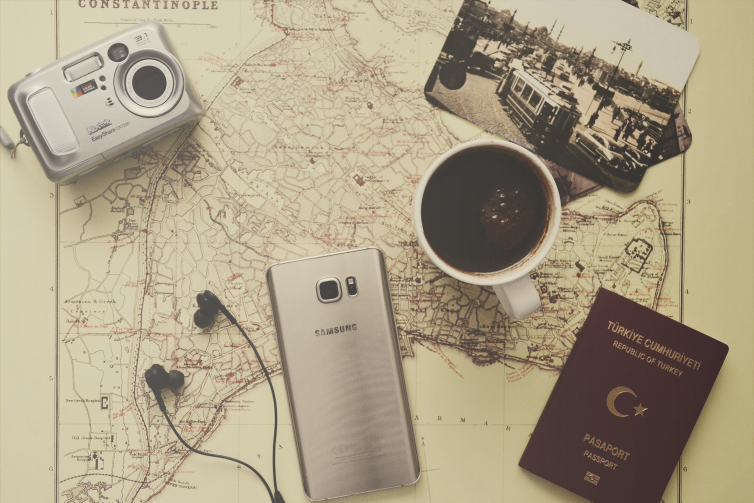
The Planning Phase (Money & Routes)
Before you buy a single ticket, you need a roadmap. The most common reason people cancel their travel plans is a lack of funds, but smart budgeting makes long-term travel possible for almost anyone.
How Much Does It Really Cost?
The cost of world travel varies wildly depending on your style.
- The “Shoestring” Budget: Staying in dorms, eating street food and using buses can cost as little as $1,000 – $1,500 USD per month in regions like Southeast Asia, India and parts of Latin America.
- The “Flashpacker” Budget: Staying in private guesthouses, eating at restaurants and flying occasionally. Expect to spend $2,500 – $4,000 USD per month.
- The “Luxury” Budget: Staying in hotels and hiring guides. This can cost $5,000+ USD per month.
One-Way vs. Round-the-World (RTW) Tickets
When mapping out everything you need to know about traveling the world, you must decide on your booking strategy.
- RTW Tickets: Alliances like Star Alliance or OneWorld offer tickets that let you circle the globe for a fixed price. These are great for peace of mind but offer less flexibility.
- Point-to-Point: Buying a one-way ticket to your first destination and then booking flights as you go. This is the preferred method for modern travelers who want the freedom to stay longer in places they love.
The Boring But Essential Logistics
These aren’t the fun parts, but they are the pillars that support your trip.
Visas and Passports
- Passport Validity: Ensure your passport has at least 6 months of validity remaining beyond your planned return date. Many countries will deny entry if it expires sooner.
- Visas: Research visa requirements for your citizenship. Some countries offer visas on arrival, while others (like China, Russia or the USA via ESTA) require advance applications. Keep digital and physical copies of these documents.
Travel Insurance: Non-Negotiable
Do not skip this. Medical emergencies abroad can bankrupt you. Comprehensive travel insurance covers medical evacuation, trip cancellation, lost baggage and stolen electronics. If you are planning on doing adventure sports (like scuba diving or skiing), ensure your policy covers “hazardous activities.”
Banking on the Go
Using your home bank card abroad often results in massive foreign transaction fees.
- Open a bank account that reimburses ATM fees.
- Get a credit card with no foreign transaction fees.
- Always have a backup card hidden in a separate bag in case one is lost or stolen.
Our Travel Experiences
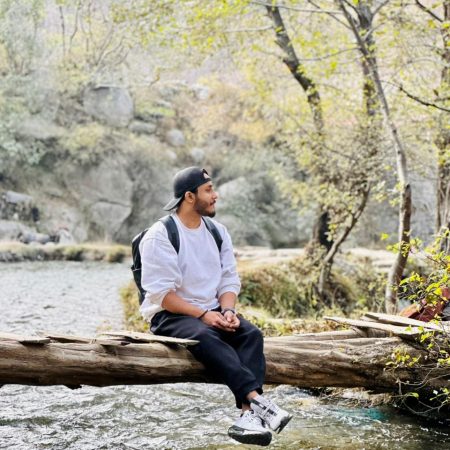
Traveling the world isn’t just visiting places—it’s about moments, people, and lessons. Swat, Naran and Siran taught us how adventures shape ourselves.
Packing Light and Smart
The number one mistake new world travelers make is overpacking. You will regret hauling a 70kg suitcase up five flights of stairs in a Paris hostel without an elevator.
The Golden Rule: Carry-On Only
If you can manage it, try to travel with just a carry-on backpack (40-45 liters). It forces you to be a minimalist and gives you ultimate freedom to move between cities.
The Gear Essentials
When considering everything you need to know about traveling the world, focus on quality gear:
- A Comfortable Backpack: Don’t cheap out on the bag that carries your life.
- Universal Travel Adapter: Get one with USB-C and USB-A ports to charge all your devices.
- Noise-Canceling Headphones: Essential for flights, noisy buses and hostels.
- Quick-Dry Clothing: Avoid cotton; buy synthetic or merino wool that dries overnight so you can wash clothes in the sink.
Health, Safety and Culture
Staying safe is not about being paranoid; it is about being prepared.
Health Precautions
- Vaccinations: Visit a travel clinic 4-8 weeks before departure. You may need shots for Yellow Fever, Typhoid or Hepatitis A/B depending on your route.
- The Water: In many parts of the world, tap water is unsafe. Invest in a high-quality water bottle with a built-in filter (like LifeStraw or Grayl) to save money and plastic.
Safety Tips
- Blend In: Don’t wear flashy jewelry or expensive watches. Try to dress slightly like a local to avoid standing out as a target.
- Trust Your Gut: If a situation or a person feels “off,” remove yourself immediately. Don’t worry about being polite; worry about being safe.
- Backups: Scan your passport and important documents and upload them to a secure cloud drive. If your physical passport is stolen, having a digital copy speeds up the replacement process at your local embassy.
Cultural Etiquette
The world is diverse. What is polite in one country can be an insult in another.
- Dress Modestly: In religious sites (temples, churches, mosques), cover your shoulders and knees.
- Learn the Basics: Learn “Hello,” “Thank you,” and “Please” in the local language. It changes how locals treat you.
Staying Connected (Internet & Communication)
Staying in touch with family and navigating without Google Maps requires internet access.
eSIMs and Local SIMs
Avoid paying for international roaming from your home carrier; it is exorbitantly expensive.
- Local SIMs: Upon arrival, buy a prepaid SIM card. It is usually cheap and comes with data.
- eSIMs: If you have a newer phone, use an eSIM provider (like Airalo). You can download a data plan before you even land in a new country, meaning you are connected the second you step off the plane.
Conclusion: The World is Waiting
No amount of reading can truly prepare you for the life-changing experience of world travel. You will miss trains, you will get lost and you will eat strange food. But you will also meet incredible people, see sights that take your breath away and learn more about yourself than you ever thought possible.
Now that you know everything you need to know about traveling the world, the only thing left to do is take the first step. Save the money, book the ticket and go. The adventure awaits.
1. What is the best way to start traveling the world?
The best way to start is by planning your destination, setting a budget and researching travel requirements. Beginners should start with simple destinations and gradually explore more places.
2. How much money do I need to travel the world?
The cost depends on your travel style, destinations and duration. Budget travelers can travel cheaply by using hostels, public transport and local food, while luxury travel requires a higher budget.
3. What are the most important things to prepare before traveling?
You should prepare essential documents, book flights and accommodation, inform your bank and pack smart. Travel insurance and basic research about your destination are also important.
4. How can I travel the world safely?
To stay safe, keep your valuables secure, avoid scams and stay aware of your surroundings. Always keep copies of important documents and emergency contacts with you.
5. What are common mistakes travelers should avoid?
Common mistakes include overpacking, poor planning, ignoring local rules and overspending. Travelers should stay flexible and avoid trying to do too much in one trip.