The Healing Power of Nature: Mountains and Mental Health
In our modern, urbanized existence, we are constantly bombarded by noise, notifications and the relentless pressure of productivity. We live in a state of chronic, low-level stress that many of us have accepted as “normal.” However, deep within our DNA, we are still creatures of the wild. We are hardwired to find solace in the natural world, specifically in the vast, silent landscapes of the mountains.
There is a profound, scientifically backed connection between our environment and our state of mind. When the chaos of life becomes too much, turning to the great outdoors is not just an escape; it is a return to our biological baseline. Here is a look at the healing power of nature and why mountains and mental health are inextricably linked.
The Science of Forest Bathing and Green Exercise
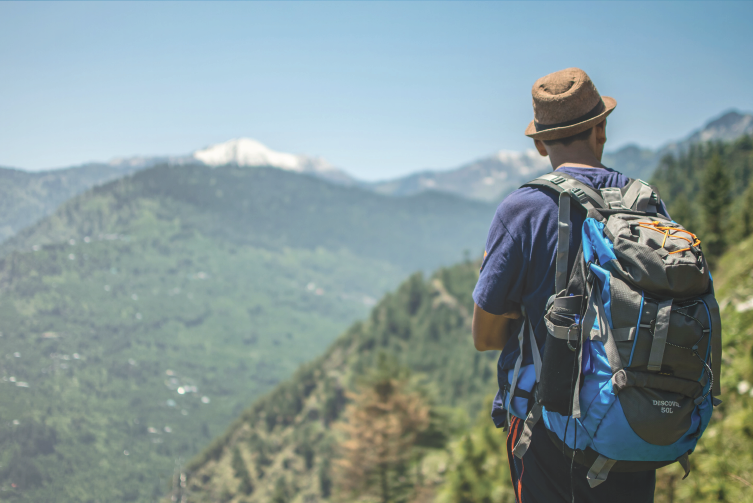
The Japanese have a practice called Shinrin-yoku or “forest bathing.” It involves immersing oneself in a forest environment, breathing in the air and simply being present. While this is often associated with woods, it applies equally to the alpine forests that cloak the lower slopes of great mountains.
Research shows that spending time in nature lowers cortisol levels (the stress hormone) and reduces blood pressure. The air in mountainous regions is often cleaner and richer in oxygen, but it also contains phytoncides—volatile organic compounds emitted by trees. Breathing these in boosts the immune system and promotes relaxation. Unlike a gym workout, “green exercise” in the mountains combines physical activity with sensory immersion, amplifying the anti-depressive effects of movement.
The Psychological Shift of Awe
One of the most potent therapeutic elements of the mountains is the experience of “awe.” When you stand at the edge of a canyon or look up at a peak that pierces the clouds, you feel small—but in a good way.
Psychologists have found that experiencing awe shifts our focus away from the self. Anxiety and depression often feed on self-referential thinking—worrying about our status, our appearance or our problems. When confronted with the sheer scale of a mountain range, our individual worries seem to shrink in perspective. This “small self” feeling fosters a sense of connection to the larger world, reducing rumination and increasing feelings of generosity and peace.
Travel Experiences
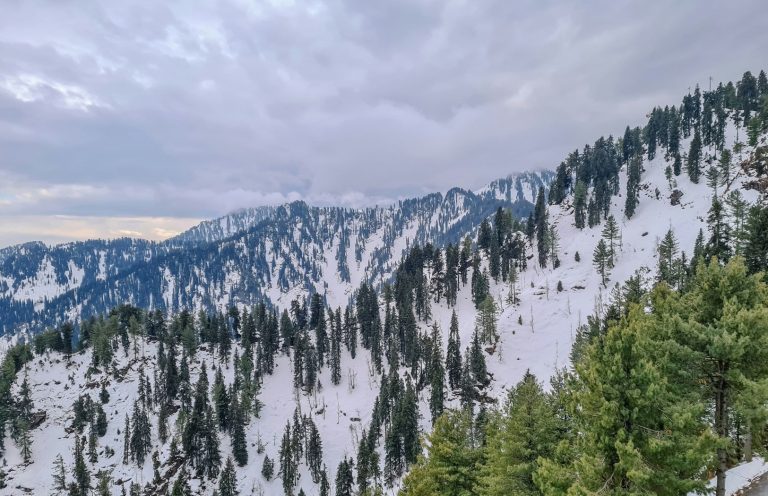
Natural environments like Siran rivers and Swat valleys support mental well-being and stress reduction during travel.
The Silence as a Sanctuary
In the city, silence is extinct. We are surrounded by the hum of traffic, the chatter of crowds and the buzz of electronics. This constant sensory overload keeps our nervous system in a state of high alert.
The mountains offer a rare and precious commodity: silence. The sound of wind in the pines, the distant crash of an avalanche or the trickle of a stream are soothing, non-threatening sounds that allow the brain to downshift. This auditory detox is essential for mental clarity. In the quiet of the mountains, the mind can finally process emotions and rest. It is a space where you can actually hear your own thoughts again.
Resilience through the Challenge
There is also a psychological benefit to the physical challenge of hiking. Navigating a rocky trail, breathing heavily at altitude and pushing past the point of comfort requires focus and determination.
Completing a mountain hike provides a tangible sense of achievement. For someone struggling with low self-esteem or the feeling of being “stuck” in life, reaching a summit is a powerful metaphor. It proves that you are capable of overcoming obstacles. This boost in self-efficacy—the belief in your own ability to succeed—carries over long after you have returned to the city, helping you tackle life’s challenges with renewed confidence.
Conclusion
We often treat mental health struggles with medications and therapy, which are vital tools. However, we should not underestimate the restorative capacity of the natural world. The healing power of nature is accessible to anyone willing to step outside.
Whether it is a gentle walk through a local foothill or a challenging climb to a high peak, the combination of fresh air, physical exertion and awe-inspiring views acts as a balm for the weary mind. If you are feeling the weight of the world, remember the mountains. They are waiting to help you heal.
1. How do mountains help improve mental health?
Mountains provide a शांत and natural environment that helps reduce stress, improve mood and promote relaxation. Being surrounded by nature can create feelings of calmness, joy and emotional balance.
2. Why is nature considered healing for the mind?
Nature is considered healing because it reduces anxiety, lowers stress levels and improves overall well-being. Studies show that people who connect with nature experience lower depression and better mental health.
3. Can spending time in the mountains reduce anxiety?
Yes, spending time in the mountains or natural environments can significantly reduce anxiety. Natural surroundings help calm the brain, improve focus and create a sense of peace.
4. What are the emotional benefits of being in nature?
Being in nature can boost happiness, increase creativity and improve emotional resilience. It also helps people feel more connected to themselves and their surroundings.
5. How often should you spend time in nature for mental health benefits?
Even short periods in nature—like a walk or a short trip—can improve mental health. Regular exposure to natural environments provides long-term emotional and psychological benefits.