Traveling Plays an Important Role in Mental Health
Traveling is more than just exploring new places—it’s a powerful tool for improving mental health. In today’s fast-paced world, stress, anxiety and burnout are common. Studies show that taking time off to travel can help reduce stress, enhance creativity and improve overall emotional well-being.
Reduces Stress and Anxiety
One of the most immediate benefits of traveling is stress relief. Being away from your daily routine allows your mind to relax. Exploring new environments stimulates your senses and encourages mindfulness. Even a short trip can lower cortisol levels, the hormone linked to stress and improve mood.
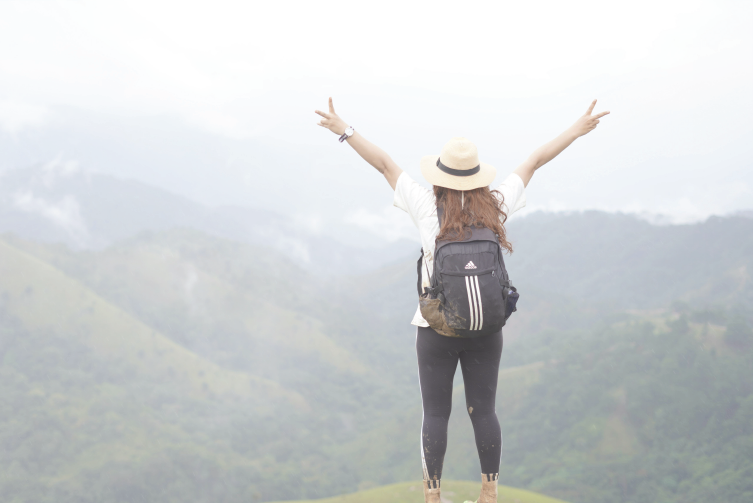
Tip: Try nature-focused trips, like hiking in mountains or walking on the beach, as they are especially effective in calming the mind.
Boosts Creativity and Cognitive Flexibility
Travel exposes you to new cultures, languages and experiences. These challenges help your brain develop cognitive flexibility—the ability to adapt to new situations. Experiencing different ways of life can inspire creativity, problem-solving and innovative thinking, which benefits both personal and professional life.
Example: Travelers often report new ideas or solutions to problems after exploring unfamiliar environments.
Strengthens Emotional Resilience
Traveling can make you more resilient to life’s challenges. Dealing with unexpected situations, like delays or navigating unfamiliar cities, builds patience and problem-solving skills. These experiences help you manage stress more effectively when you return to daily life.
Pro Tip: Keep a travel journal to reflect on your experiences—this reinforces emotional growth and self-awareness.
Encourages Social Connections
Meeting new people while traveling improves social health, which is closely linked to mental well-being. Whether it’s bonding with fellow travelers, locals or family members, meaningful connections can reduce feelings of loneliness and depression.
Tip: Participate in group tours, community events or cultural workshops to enhance social interaction during your travels.
Improves Mindfulness and Presence
Traveling encourages you to live in the moment. Experiencing new sights, tastes and sounds makes you more aware of your surroundings and helps break the cycle of negative thinking. Mindfulness during travel is linked to lower anxiety and higher life satisfaction.
Example: Watching a sunrise on a mountain top or walking through a vibrant street market helps you appreciate the present moment.
Tips to Travel for Mental Health Benefits
- Plan trips to nature or quiet destinations to reduce stress.
- Travel with supportive friends or family to strengthen social bonds.
- Limit technology use to immerse fully in experiences.
- Take solo trips occasionally to boost self-confidence and independence.
- Keep a journal to reflect on your travel experiences.
Traveling and Mental Health
1. How does traveling reduce anxiety?
Traveling removes you from stressful environments, exposes you to new experiences and encourages relaxation, which lowers anxiety levels naturally.
2. Can short trips benefit mental health?
Yes, even weekend getaways can improve mood, reduce stress and increase mindfulness.
3. Does solo travel have mental health benefits?
Absolutely. Solo travel builds confidence, self-reliance and emotional resilience.
4. How does nature travel improve mental well-being?
Being in nature reduces cortisol levels, promotes mindfulness and encourages relaxation, which are all essential for mental health.
5. Can traveling help with depression?
Traveling can provide a temporary escape, new perspectives and positive experiences that support mental health—but it should complement professional treatment if needed.