Mountain Hiking Safety: Tips for Remote and Isolated Areas
Essential safety tips for hiking in remote mountain areas. Learn from real stories of survival, navigation mistakes and wildlife encounters to stay safe on the trails.
The silence of a remote mountain range is intoxicating. It offers an escape from the noise of modern life, but that isolation comes with a price: absolute self-reliance. In the mountains, nature is indifferent to your plans. When you are miles from cell service and far from help, a small mistake can quickly become a life-threatening emergency.
To stay safe, you must learn from those who have survived the wild before you. Here are crucial safety tips for hiking in remote mountain areas, illustrated by real stories from the trail.
1. The Weather Rule: Respect the Murphy's Law of Mountains
In the mountains, weather is not a forecast; it is a reality that changes in minutes.
The Real Story: I remember a story from the Scottish Highlands involving a hiker named Sarah. She set out on a “munro-bagging” trip (climbing peaks over 3,000 feet) in a t-shirt and light jeans. The valley was bathed in sunshine. However, as she ascended, a sudden “whiteout” blizzard swept in, common in the Scottish Highlands even in summer. Hypothermia set in quickly because she was wearing cotton—often called “the death cloth” by survival experts. She survived only by huddling in a small rock overhang until a Mountain Rescue team found her 12 hours later.
The Safety Tip: Always check the specific mountain forecast, not just the city forecast. Follow the layering system: base layer, insulation layer and waterproof shell. Never wear cotton; once it gets wet, it sucks the heat away from your body. Always pack extra warm clothing, even on a short summer day.
2. Navigation: Never Rely Solely on Your Phone
Technology is a fantastic tool, but it is a crutch that fails when batteries die or signals drop.
The Real Story: A group of hikers in the Dolomites in Italy made a classic error. They were following a “social trail“—a faint path created by previous hikers cutting a corner—that looked like a shortcut. Their phones showed the main trail nearby, so they didn’t worry. As the sun set, the path disappeared into a scree field. They were stranded on a ledge, unable to go up or down, in the dark. They hadn’t brought a physical map or compass, assuming the GPS on their phone would suffice. They spent a freezing night on the ledge until rescue helicopters arrived at dawn.
The Safety Tip: Always carry a physical topographic map and a compass and know how to use them. Download offline maps (like on All Trails or Gaia GPS) to your phone, but treat them as a backup, not your primary tool. Learn to read the terrain, not just the screen.
Our Hiking Experiences
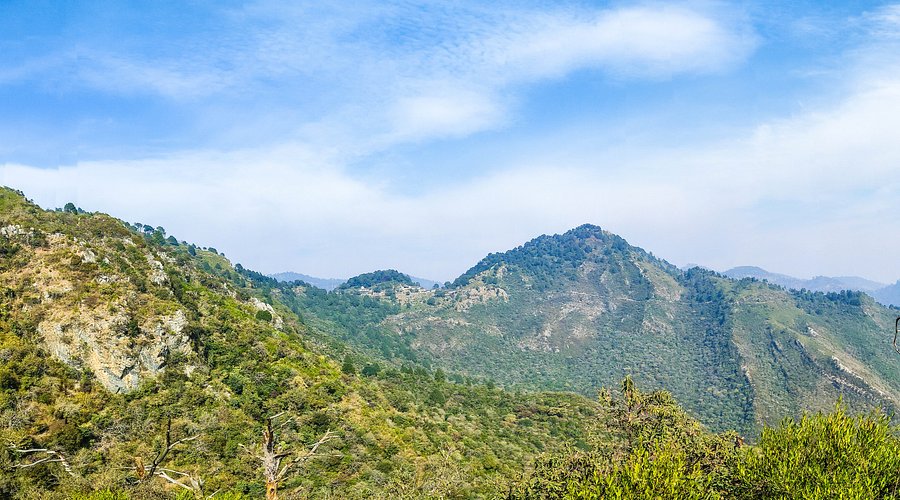
Safety on Islamabad’s Trails 3 & 5 requires proper footwear, hydration and hiking companions for a smooth experience.
3. The Itinerary Rule: Tell Someone Where You Are Going
The most dangerous thing you can do is hike alone without a plan. If you get lost and no one knows you are missing, help may never arrive.
The Real Story: In the rugged wilderness of the Canadian Rockies, a solo hiker slipped on loose gravel and broke his ankle. He had plenty of food and water, but he was immobilized. He had told his roommate he was “going for a hike” but hadn’t specified which trail or when he’d be back. His roommate didn’t report him missing for two days. By the time the search party launched, the weather had turned foul, making the rescue operation ten times more dangerous. While he survived, the delay made his injury much worse and put rescuers at significant risk.
The Safety Tip: Always leave a detailed trip itinerary with a trusted friend or family member. Include:
- Your start and end points.
- The color of your jacket and tent.
- Your estimated time of return.
- A “panic time”—the specific time they should call search and rescue if they haven’t heard from you.
4. Wildlife Awareness: You Are a Guest in Their Home
Encounters with wildlife are thrilling, but they can turn deadly if you don’t know how to react.
The Real Story: A camper in the Smoky Mountains of the USA made the mistake of storing food in his tent overnight. He woke up to the sound of fabric tearing—a black bear was clawing through his tent, attracted by the scent of beef jerky. In his panic, he yelled and tried to scare the bear away, which agitated the animal. He suffered deep scratches on his arm before the bear finally left. The incident was entirely preventable; the bear was just doing what bears do—looking for easy calories.
The Safety Tip: Research the wildlife of the region you are visiting. In bear country, carry bear spray and use bear canisters for food. In mountain lion country, never turn your back on the animal. Make noise while hiking so you don’t startle animals. Remember: you are visiting their home; respect their space and their food sources.
Conclusion
The mountains reward the prepared and punish the careless. By learning from these real stories and following these safety tips for hiking in remote mountain areas, you can ensure that your adventure remains a story you tell at the dinner table, not a rescue report on the news. Respect the mountain, pack the essentials and come home safe.
1. What are the essential safety tips for hiking in remote mountain areas?
Always plan your route in advance, check weather conditions, carry proper gear and inform someone about your trip. Staying prepared and aware of your surroundings is key to safe mountain hiking.
2. What should I pack for a remote mountain hike?
Pack essentials like a navigation tool (map/GPS), extra food and water, a first-aid kit, flashlight, multi-tool and weather-appropriate clothing. Emergency supplies are crucial in isolated areas.
3. How can I stay safe while hiking alone in remote mountains?
Share your itinerary with someone, avoid risky trails, stay on marked paths and carry a communication device. Solo hikers should prioritize safety and avoid unnecessary risks.
4. What should I do if I get lost while hiking in the mountains?
Stay calm, avoid wandering further and try to retrace your steps. Use a map or GPS if available and stay in one place if needed to help rescuers locate you more easily.
5. How do I handle sudden weather changes during a mountain hike?
Carry layered clothing and rain protection. If weather conditions worsen, seek shelter immediately or turn back to avoid dangerous situations.