Dreaming of Traveling Abroad? A Friendly Guide to Visa Applications for Travelers Worldwide
Traveling abroad is more than visiting new places it’s about experiencing cultures, meeting people and creating memories that last a lifetime. Whether you dream of sipping coffee in Paris, trekking through the Andes or exploring the bustling streets of Tokyo, the first step is usually the same: getting your visa.
For many travelers, the visa process feels confusing with different countries, different rules and lots of paperwork. But it doesn’t have to be stressful. With a little planning and the right approach, applying for a visa can be smooth and even exciting. Think of it as the first part of your adventure.
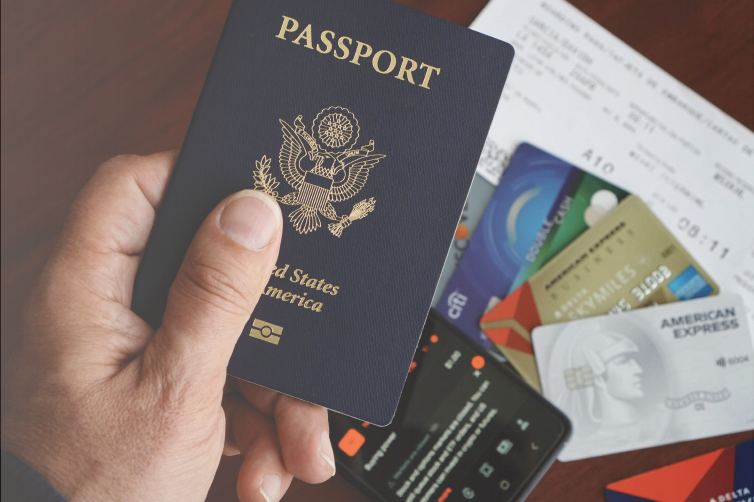
What Exactly Is a Visa
A visa is permission to enter a country for a specific purpose whether it’s tourism, study or business. Some countries allow entry without a visa others offer visa on arrival and some require you to apply well in advance.
For example if you are visiting the United States you would apply at the U.S. Embassy in your home country. Traveling to Canada usually means going through the Canadian Embassy or Consulate. Planning a European trip often involves a Schengen visa, handled by the embassy of the country where you’ll spend most of your time like the German Embassy or the French Consulate.
Start Early Don’t Rush
Visa applications take time. Documents need to be gathered forms completed and sometimes interviews scheduled. Processing can range from a few days to several weeks.
Tip Start at least 2–3 months before your trip. This gives you extra time if documents are missing or appointments are booked. Rushing at the last minute almost always leads to stress.
Gather Your Documents Carefully
While requirements vary, most visas require:
- A valid passport with at least six months’ validity beyond your trip
- Completed visa application forms
- Passport-sized photographs
- Travel plans like flight tickets and hotel bookings
- Proof of funds to show you can support yourself
- Travel insurance for emergencies
- Invitation letters if visiting friends, family or for business purposes
Pro tip Keep everything organized in a folder. Embassies appreciate clarity and you’ll save yourself a lot of headaches.
Embassy or Consulate Choose the Right One
Most countries have multiple consulates or one main embassy. For example the Australian Embassy in Canberra handles applications for many travelers in the region. The Japanese Consulate in New York or London is another example for those planning a trip to Japan. The British Embassy in different capitals handles UK travel visas worldwide.
Many countries also allow online visa applications or e-visas. Always go through official embassy websites to get the latest information. Third-party agents can help, but official sources are the most reliable.
The Visa Interview Relax and Be Honest
Some countries require interviews like the U.S. Embassy or the Canadian Consulate. These are usually short and meant to confirm your travel intentions.
Tips for a smooth interview:
- Dress neatly and arrive on time
- Bring all required documents organized in a folder
- Speak honestly about your travel plans
- Know your itinerary without memorizing it word for word
Remember the interview is a conversation not a test. The consulate just wants to make sure your visit is genuine.
Avoid Common Mistakes
Even experienced travelers make errors. Avoid:
- Submitting incomplete or outdated forms
- Using an expired passport
- Waiting until the last minute
- Ignoring embassy-specific instructions
- Forgetting visa fees or payment details
Being careful and organized can save days of delays and a lot of anxiety.
Alternatives and Smart Tips
If your destination’s visa is difficult to get, consider:
- Visa-free countries depending on your nationality
- E-visas applied online to save time
- Multiple-entry visas if you plan frequent travel
Planning smartly can open doors to new adventures without unnecessary stress.
Embrace the Adventure
Getting a visa is the first step of your journey. Planning, paperwork and interviews might feel tedious but they are small hurdles compared to the memories you’ll make abroad.
With proper preparation, patience and a positive attitude, the visa process becomes part of the adventure. Soon enough you’ll be boarding a plane, passport stamped and ready to explore the world.
Check embassy websites gather your documents and start planning. Your global journey is waiting.
1. How do I get a visa to travel abroad?
To get a visa you usually need a valid passport, completed application form, travel itinerary, proof of funds and sometimes an interview at the embassy. Requirements vary by country.
2. How early should I apply for a visa?
It’s best to apply 2–3 months before your trip. Some embassies take longer to process applications, especially during peak travel season.
3. What documents do I need for a tourist visa?
Typically you need: passport, passport photos, travel itinerary, hotel bookings, bank statements and travel insurance. Always check the embassy website for country-specific requirements.
4. Can I apply for a visa online?
Yes, many countries offer eVisas. You apply on the official government website, upload your documents and receive approval electronically. No embassy visit is needed in most cases.
5. Do I need a real flight ticket to apply for a visa?
Not always. Many countries accept flight reservations or itinerary bookings instead of purchased tickets.
6. How long does it take to get a visa?
Processing time varies by country and visa type. Tourist visas may take a few days to a couple of weeks. Student or work visas can take several weeks or months.
7. Will I be interviewed at the embassy?
Some visas require an interview at the embassy or consulate. Tourist visas often don’t, but student, work or long-term visas usually do.
8. What happens if my visa application is rejected?
If rejected you can usually apply again, addressing the reason for refusal. Visa fees are generally non-refundable.
9. Does a visa guarantee entry to the country?
No. Even with an approved visa, border control officers have final authority to allow or deny entry.
10. What should I do if my passport is about to expire?
Renew your passport before applying. Most countries require it to be valid at least 6 months beyond your travel dates with enough blank pages.