Air Travel Guidelines 2026 for International & Domestic Flights: A Comprehensive Guide
Are you ready for the future of flying? Discover the essential Air Travel Guidelines 2026 for International & Domestic Flights, from biometric boarding to new liquid rules and digital passports.
As we look toward the future of aviation, the landscape of flying is evolving faster than ever. By 2026, the post-pandemic shifts combined with rapid technological advancements mean that the way we check in, pass through security and board planes will look significantly different than it did just a few years ago. Whether you are planning a cross-country business trip or a long-haul international adventure, understanding the new protocols is essential for a smooth journey. Here is everything you need to know about the Air Travel Guidelines 2026 for International & Domestic Flights.
If you’re planning your next trip, check out our guide to Affordable Places to Travel Internationally for budget-friendly destinations you’ll love.
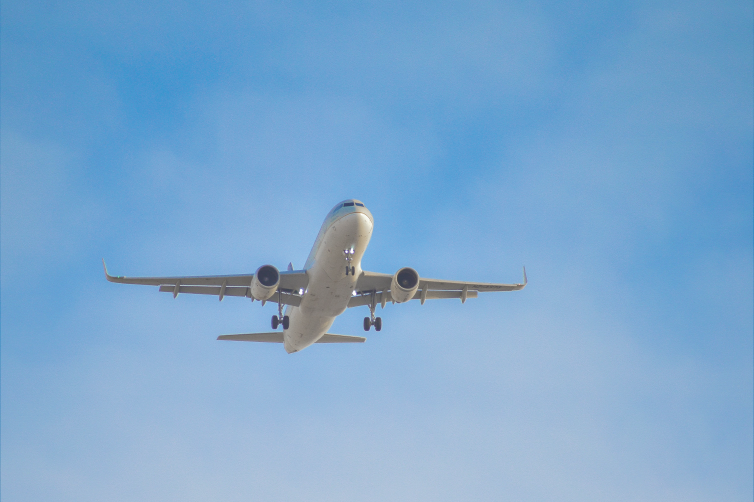
The Transformation: Goodbye Paper, Hello Biometrics Digital
One of the biggest changes you will notice in 2026 is the shift toward a fully digital travel experience. The days of fumbling for printed boarding passes are largely behind us.
Biometric Boarding is the New Standard
By 2026, major airports globally have widely adopted facial recognition technology. You can now check your bags, pass through security and board your aircraft using only your face. This “single token” travel links your boarding pass to your biometric data.
- What to do: Ensure your passport photo is relatively current. If you have a beard or have drastically changed your appearance since your passport photo was taken, you might trigger a manual check.
Digital Travel Credentials (DTC)
International travelers are increasingly using Digital Travel Credentials. Essentially, this is a digital version of your passport stored securely on your smartphone.
- Guideline: Check if your home country and destination support DTCs. While physical passports are still mandatory, having the digital version ready on your official government app can expedite entry at e-gates.
Security Updates: The End of the Liquid Ban?
For decades, the 100ml (3.4oz) liquid rule has been the bane of every traveler’s existence. However, under new Air Travel Guidelines 2026, this is changing.
CT Scanners are Taking Over
Airports are rapidly installing Computed Tomography (CT) scanners—the same technology used in hospitals—at security checkpoints. These scanners allow security officers to rotate a 3D image of your bag, giving them a clear view of what is inside without requiring you to remove liquids or laptops.
Planning a trip abroad? Follow A Friendly Guide to Visa Applications for Travelers Worldwide for smooth visa processing.
The New Liquid Rules
By 2026, many airports will allow passengers to keep liquids and electronics in their bags during screening.
- Important Note: This is not universal yet. Smaller regional airports or countries with slower tech adoption may still enforce the old 100ml rule.
- Advice: Always check the specific website of the airport you are departing from. If in doubt, stick to the 100ml rule or pack your liquids in an easily accessible outer pocket just in case.
International vs. Domestic: Key Differences
While security technology is merging, the documentation requirements for international and domestic flights remain distinct in 2026.
International Flight Guidelines
International travel in 2026 focuses heavily on “pre-verification” to speed up borders.
- Visas and ETA: Electronic Travel Authorities (ETAs) are now standard for travelers entering regions like Europe (ETIAS), the UK and the USA. You must apply online days or weeks before you fly; you generally cannot obtain entry permission at the airport counter anymore.
- Passport Validity: The standard 6-month validity rule remains strictly enforced. Airlines will deny boarding if your passport expires within 6 months of your return date.
Domestic Flight Guidelines
Domestic travel is becoming streamlined but requires stricter ID verification.
- REAL ID Compliance: In the U.S. and similar regions, standard driver’s licenses are no longer accepted for domestic air travel if they are not REAL ID compliant.
- Ensure your license has the star in the corner or carry a Passport card to avoid being turned away at the TSA checkpoint.
Health, Safety and Sustainability Protocols
The health measures of the early 2020’s have evolved into permanent hygiene standards without the draconian lockdowns.
Improved Air Filtration
Airlines now heavily market their HEPA filtration systems. In 2026, you can expect aircraft cabins to have air quality that is actually cleaner than most office buildings. Masks are rarely mandated but are still accepted and recommended for those feeling unwell.
The "Green" Levy
Sustainability is a major focus in the Air Travel Guidelines 2026. Many airlines have introduced voluntary carbon offsetting at checkout, while some European countries have imposed small eco-taxes on tickets.
- Budget Tip: Some airlines offer discounts if you opt out of checked baggage or choose digital-only communications, helping them reduce weight and fuel burn.
Luggage and Packing Smart
Airlines are getting stricter about weight to meet fuel efficiency goals.
Weight Limits are Shrinking
The standard weight limit for checked bags on economy tickets is trending downward, often from 23kg (50lbs) to 20kg (44lbs) on budget carriers.
- Pro-Tip: Invest in a lightweight luggage scale. Overweight fees have skyrocketed in 2026 and can cost more than the flight itself for budget carriers.
Smart Bags and Batteries
Regulations regarding “Smart Bags” (bags with built-in GPS, chargers and motors) have standardized: If you check a smart bag, you must remove the lithium-ion battery and take it into the cabin with you. If the battery is non-removable, the bag is forbidden. Do not get caught out at the gate; you will likely be forced to abandon the bag.
Summary Checklist for 2026 Travel
To ensure you are fully compliant with the latest Air Travel Guidelines 2026 for International & Domestic Flights, use this pre-flight checklist:
- Documents: Is your passport valid for more than 6 months? Have you applied for your ETA/Visa online?
- Tech: Is your phone charged for mobile boarding and biometric verification?
- Liquids: Have you checked if your departure airport uses CT scanners (allowing liquids) or still uses 2D scanners (100ml limit)?
- Smart Bags: If checking a bag with electronics, are the batteries removable?
- ID: Is your driver’s license REAL ID compliant for domestic travel?
Explore ideas to earn while exploring with Profitable Travel Business Ideas for World Travelers.
Final Thoughts
Travel in 2026 is safer, faster and more high-tech than ever before. While the guidelines may seem complex, the general goal of the aviation industry is to move you from curb to gate with as little friction as possible. By staying informed on these Air Travel Guidelines 2026 for International & Domestic Flights, you can focus less on the logistics and more on the excitement of the journey ahead.
Safe travels!
1. What are the latest air travel rules in 2026?
Air travel in 2026 includes advanced security checks, biometric verification and stricter baggage policies. Many airports now use contactless systems to speed up boarding and reduce wait times.
2. Is biometric check-in mandatory for international flights?
In many countries, biometric check-in is becoming common but not always mandatory. However, it helps passengers move faster through security and boarding processes.
3. How early should I arrive at the airport for an international flight?
It is recommended to arrive at least 3 hours before departure for international flights to complete check-in, security and immigration procedures without stress.
4. What documents are required for international air travel in 2026?
You typically need a valid passport, visa (if required), flight ticket and sometimes travel insurance or health-related documents depending on the destination country.
5. What are the common mistakes to avoid during international travel?
Common mistakes include arriving late, carrying restricted items, ignoring baggage limits and not checking updated travel guidelines before departure.