Beyond the Clouds: Legendary Mountains and the Stories They Hold
Discover the ancient myths and real histories that shape our world. Explore Beyond the Clouds: Legendary Mountains and the Stories They Hold in this journey through Everest, Olympus and Kailash.
Mountains have always been the spines of our civilizations. They pierce the sky, standing as silent sentinels over human history. But to the cultures living in their shadows, these geological giants are far more than stone and ice; they are living entities, homes of gods and gateways to the heavens. When we travel to these peaks, we aren’t just hiking; we are walking through the pages of a storybook. Here is a look at Beyond the Clouds: Legendary Mountains and the Stories They Hold, exploring the real myths that have captivated humanity for centuries.
Find adventure in Asia with Best Mountain Destinations in Asia for Adventure Lovers.
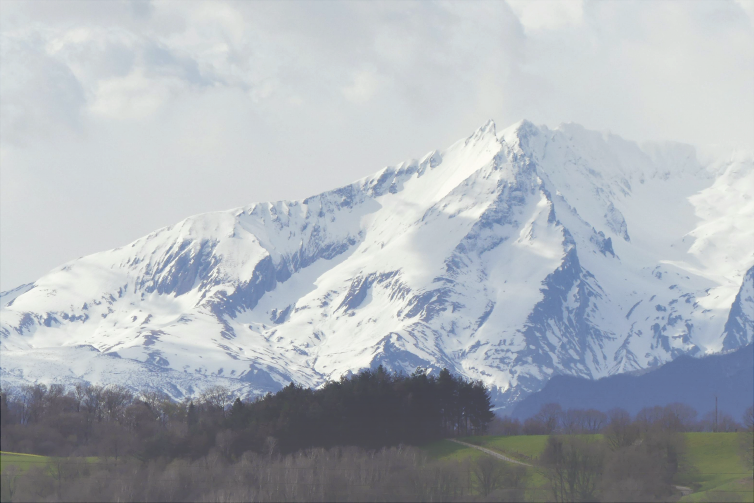
Mount Olympus: The Throne of the Gods (Greece)
Rising majestically above the Aegean Sea, Mount Olympus is the highest peak in Greece. In real history, it was a significant pilgrimage site, but to the ancient Greeks, it was the ultimate VIP lounge. According to legend, after the Titanomachy (the war between the Titans and the Olympians), Zeus drew lots with his brothers Hades and Poseidon. Zeus won the sky and making Olympus his palace. The myths describe a paradise where the weather was always perfect, where nectar and ambrosia flowed and where the 12 Olympians held court. The peaks were often shrouded in clouds, which the ancients believed were the dust of the gods’ chariots. Today, hikers trek the Litochoro trails not just for the view, but to walk to the same ground where Hermes was said to fly and where Athena’s wisdom was born. It is a tangible connection to the Western world’s most famous mythology.
Mount Everest: The Goddess Mother of the World (Nepal/Tibet)
Before the British named it after Sir George Everest, this colossal peak was known by a much more poetic name: Chomolungma. To the local Sherpas and Tibetans, the mountain is not merely a pile of rock to be conquered; it is the abode of Miyolangsangma, the Goddess of Inexhaustible Giving. The real story of Everest is a clash between modern ambition and ancient reverence. The Sherpas believe that Miyolangsangma resides at the summit, granting fortune to those who approach her with respect. Before any expedition, a Puja ceremony is held to ask the mountain for safe passage. The mountain demands respect and the stories of those who ignored the local legends are as famous as the summits themselves. It is a duality of nature: a place of supreme spiritual power and extreme physical danger.
Experience nature’s healing with The Healing Power of Nature: Mountains and Mental Health.
Travel Experiences
Swat and Siran mountains showcase natural beauty and memorable experiences for travelers worldwide.

Mount Kailash: The Axis of the Universe (Tibet)
While Everest is the tallest, Mount Kailash is perhaps the most sacred. It is considered the “Stairway to Heaven” in four religions: Hinduism, Buddhism, Jainism and Bon. The real story here is one of devotion rather than conquest. Unlike other famous peaks, Kailash is believed to be off-limits to climbers. Buddhist texts say that the only person to ever summit was the mystic Milarepa, who flew to the top and returned to declare that no mortal should tread upon it again. To this day, no one has ever summited Mount Kailash out of respect. Pilgrims instead perform the Kora, walking the 32-mile circuit around the base. It is believed that a single circuit washes away a lifetime of sins and 108 circuits bring enlightenment.
Mount Fuji: The Gateway to the Afterlife (Japan)
Japan’s most iconic symbol, Mount Fuji, is an active volcano that has been worshipped as a sacred Shinto shrine for centuries. The real story of Fuji is intertwined with the concept of impermanence. The volcano has erupted over 15 times since 781 AD, reminding the Japanese people of the fragility of life. According to ancient folklore, the mountain was created when an earthquake flattened a nearby mountain and the earth was thrown into the air to form Fuji. In religious practices, the ascetic monks of the Shugendo tradition would climb the mountain as a form of rebirth. They believed that by standing on the summit—where the sky meets the earth—they could leave their human burdens behind and commune with the kami (spirits). Even today, thousands climb overnight to witness Goraiko, the sunrise, viewing it as a spiritual rebirth.
Add hidden peaks to your travel plans in Underrated Mountains You Need to Add to Your Bucket List Now.
Conclusion
These mountains stand as testaments to human imagination and faith. Whether you are trekking the trails of Olympus or circumnavigating Kailash, you are partaking in a narrative that is thousands of years old. Exploring Beyond the Clouds: Legendary Mountains and the Stories They Hold reminds us that travel is not just about seeing new places, but about understanding the ancient souls that dwell within them.
1. Why are mountains considered legendary?
Mountains are considered legendary because they hold deep cultural, historical and spiritual significance. Many peaks are linked with myths, ancient stories and life-changing adventures that inspire travelers and explorers.
2. What are some of the most famous mountains in the world?
Some of the most famous mountains include Mount Everest, K2 and the Matterhorn. These peaks are known for their beauty, extreme challenges and the incredible stories of climbers who attempted to conquer them.
3. Why do people feel attracted to mountains?
Mountains attract people because they offer peace, adventure and a chance to disconnect from daily life. Many travelers find that mountains bring clarity, inspiration and a deeper connection with nature.
4. Are mountains only about adventure and climbing?
No, mountains are not just for climbers. They are also places of reflection, culture and storytelling. Many people visit mountains for hiking, photography and spiritual experiences rather than extreme adventure.
5. What kind of stories are associated with mountains?
Mountains are filled with stories of survival, mystery and even supernatural events. Some peaks have legends of lost climbers, strange sounds or unexplained phenomena that add to their mystery.